

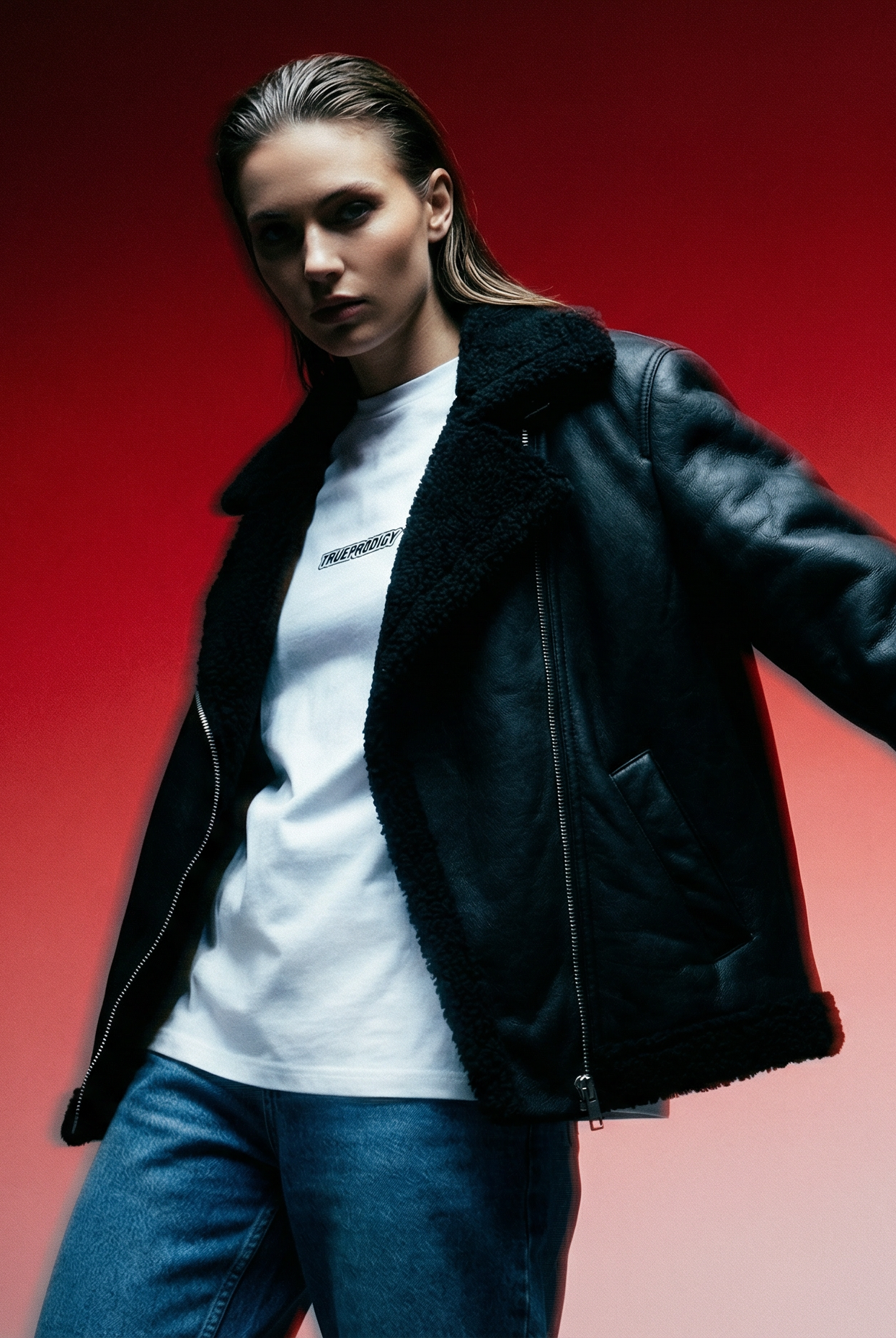



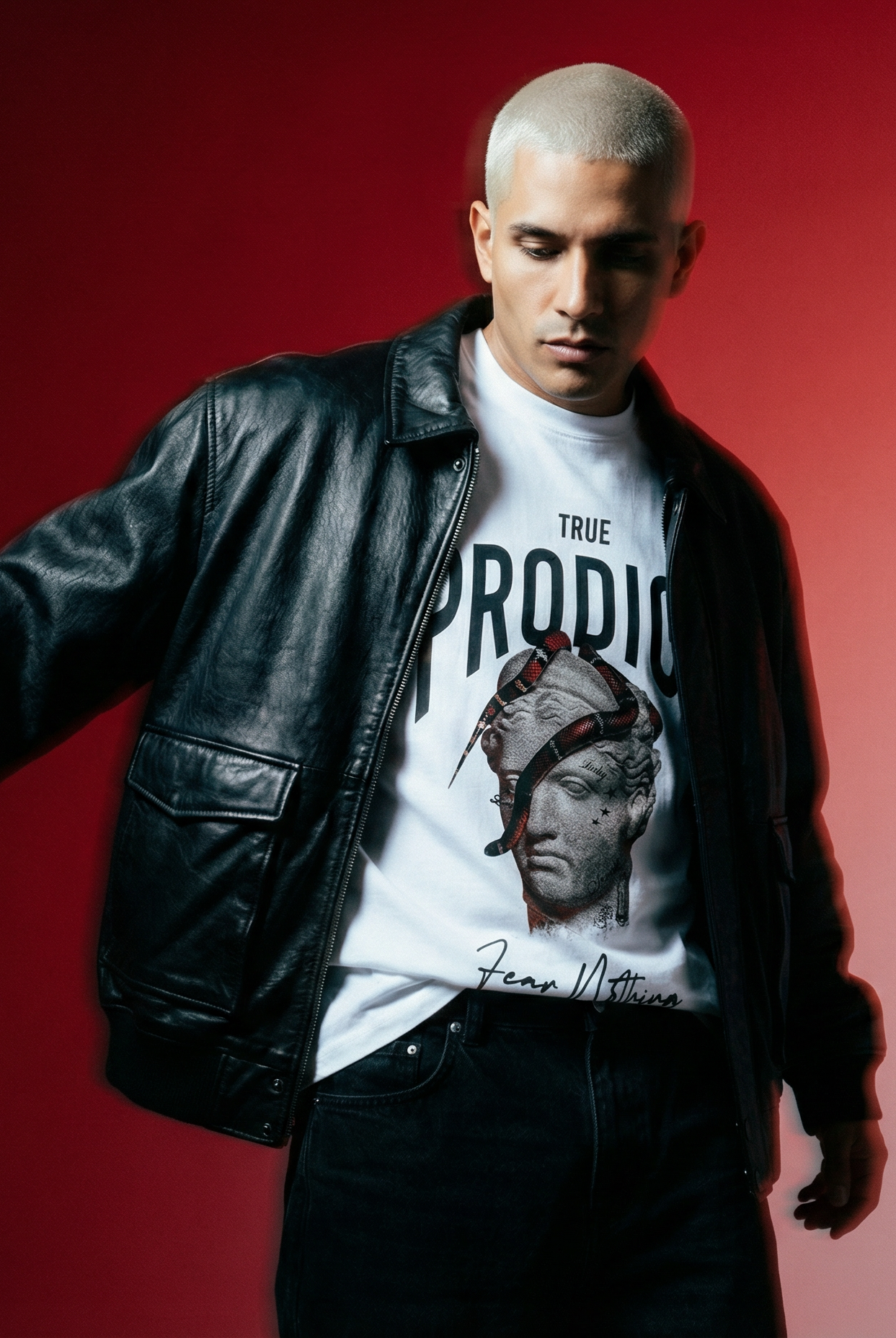


Hardly any garment has consistently proven its cult status over decades like the leather jacket. It is a symbol of rebellion, a sign of timeless elegance, and a loyal companion for countless adventures. From film icons like Marlon Brando to modern style icons – the leather jacket adds a special touch of character and self-confidence to any outfit.
But a leather jacket is more than just a fashion statement. It's an investment in quality and longevity. A truly good leather jacket will accompany you not just for one season, but for years, perhaps even a lifetime. Over time, it develops a unique patina that tells your personal story. But how do you recognize a high-quality real leather jacket? And what justifies the price of a genuine quality product? In this guide, we'll give you all the answers so you can make an informed decision for the perfect leather jacket for men or women.
How to Recognize a Good Leather Jacket? 5 Features for Top Quality
The first step to your perfect jacket is knowing what to look for. A good leather jacket reveals its quality through details you can see, feel, and even smell. Briefly forget the price and focus on the craftsmanship. Here are the five key characteristics that distinguish a high-quality real leather jacket.
1. Type of Leather: From Smooth to Suede – An Overview
The choice of leather determines the character of your jacket. It influences everything – from softness to durability to care. Generally, a distinction is made between smooth leather and suede, each of which can come from different animals.
Smooth Leather: The Most Popular Types
Here, the smooth, outer skin layer (the "grain side") remains visible, which makes the leather resistant.
Suede (Rauleder): The Velvety Trend
Suede is characterized by its velvety, roughened surface and is a stylish alternative to classic smooth leather.
2. The Feel and Smell: A Test for the Senses
Your senses are your best guide. Run your hand over the surface. Real leather feels soft, supple, and never cold or plastic-like. It has a certain "depth" and warmth. Close your eyes and smell it. The unmistakable, natural scent of real leather is a clear sign of quality.
Important note about the smell when unpacking: If the jacket, on the other hand, smells sharply chemical or like plastic, it is probably artificial leather or poorly tanned material. However, this is to be distinguished from a specific smell that arises from the so-called "finishing." Many high-quality leather jackets are given a final layer of oil or wax for protection and a special shine. This process can give the jacket its own, more intense smell, but it is absolutely harmless and is considered a sign of quality. Especially if the jacket arrives freshly packed, this smell can be present at first. However, it should not be confused with a cheap plastic or chemical smell and will disappear on its own after a short period of wearing and airing.
3. Craftsmanship: Seams, Lining, and Zippers
The devil is in the details. Careful workmanship separates the wheat from the chaff.
4. The Surface Texture: Perfect Imperfection
A flawless, absolutely uniform surface like a piece of furniture? This is often a sign of heavily corrected leather or even artificial leather. Real leather is a natural product. Small irregularities, fine scars, or different pore structures are not defects, but a certificate of authenticity. They tell the story of the animal and make your jacket unique.
5. The Test: How to Distinguish Real Leather from Artificial Leather
In addition to smell and feel, there are two simple tricks:
What Does a Good Leather Jacket Cost – and Why is it So Expensive?
Now that you know how to recognize quality, the crucial question arises: What does a good leather jacket cost? The price range is huge and can vary from under 100 Euros for simple artificial leather models to several thousand Euros for designer pieces. However, a high-quality real leather jacket from a reputable brand usually falls within a realistic range of 200 to 600 Euros.
But what justifies this price? Why is a real leather jacket so expensive compared to other jackets? The price is no coincidence, but the result of several key factors:
1. The Quality of the Raw Material
By far the largest cost factor is the leather itself. As we have learned, not all leather is created equal. A jacket made of full-grain lambskin is naturally more expensive than one made of split leather or heavily corrected cowhide. Sourcing flawless, high-quality animal hides is complex and expensive. The better the raw hide, the higher the price of the finished product.
2. The Art of Tanning and Dyeing
Transforming a raw animal hide into durable, soft leather is a complex process. Especially vegetable tanning, which is based on natural tannins, is time-consuming (often several weeks) and requires a lot of manual labor. It is more environmentally friendly and results in a particularly characterful leather that ages uniquely. The cheaper alternative is chrome tanning, which is faster but often considered of lower value. Dyeing also plays a role: a deep, even color without the use of harmful chemicals has its price.
3. The Craftsmanship and Design
A leather jacket is much more than just stitched-together leather. The complexity of the design and the precision of the craftsmanship are decisive price factors, where premium products clearly stand out from cheaper alternatives.
4. Sustainability and Fair Production
An increasingly important factor influencing the price is the origin and production method. Sustainable production is a clear quality feature, but it is also more expensive. This includes:
Conclusion on price: A expensive leather jacket is therefore not just a fashion statement, but an investment. You pay for a durable natural product, elaborate craftsmanship, thoughtful design, and increasingly for responsible production. It is a clear statement against the "Fast Fashion" mentality and for a companion that only becomes more beautiful and personal with age.
FAQ: The Most Important Questions About Your Leather Jacket
You understand the quality features and price factors – but a few practical questions often remain unanswered. Here are the answers to the most common concerns so you can enjoy your jacket for a long time.
How should a leather jacket fit?
The perfect fit is crucial for both look and comfort. A good rule of thumb is: a leather jacket should fit like a second skin – snug enough to accentuate your figure, but with enough room for a thin sweater underneath.
How do I care for my leather jacket properly?
Good care is the key to a long life. With just a few steps, your jacket will stay beautiful for years.
Conclusion: Your perfect leather jacket is a decision for quality
A high-quality leather jacket is far more than just an item of clothing. It is a conscious decision for craftsmanship, longevity, and a style that outlasts trends. You have learned that it is the details – the type of leather, the clean seams, the solid zippers, and ethical production – that make a good jacket and justify its price.
At trueprodigy, we live this philosophy. We believe that true quality lies in the careful selection of materials and uncompromising workmanship. That's why we use only 100% genuine premium leather for our jackets to guarantee you an authentic and durable companion that gains character with every wear.
Are you ready to start your story?
Discover the current collection of genuine leather jackets from trueprodigy now and find the model that suits you perfectly!