




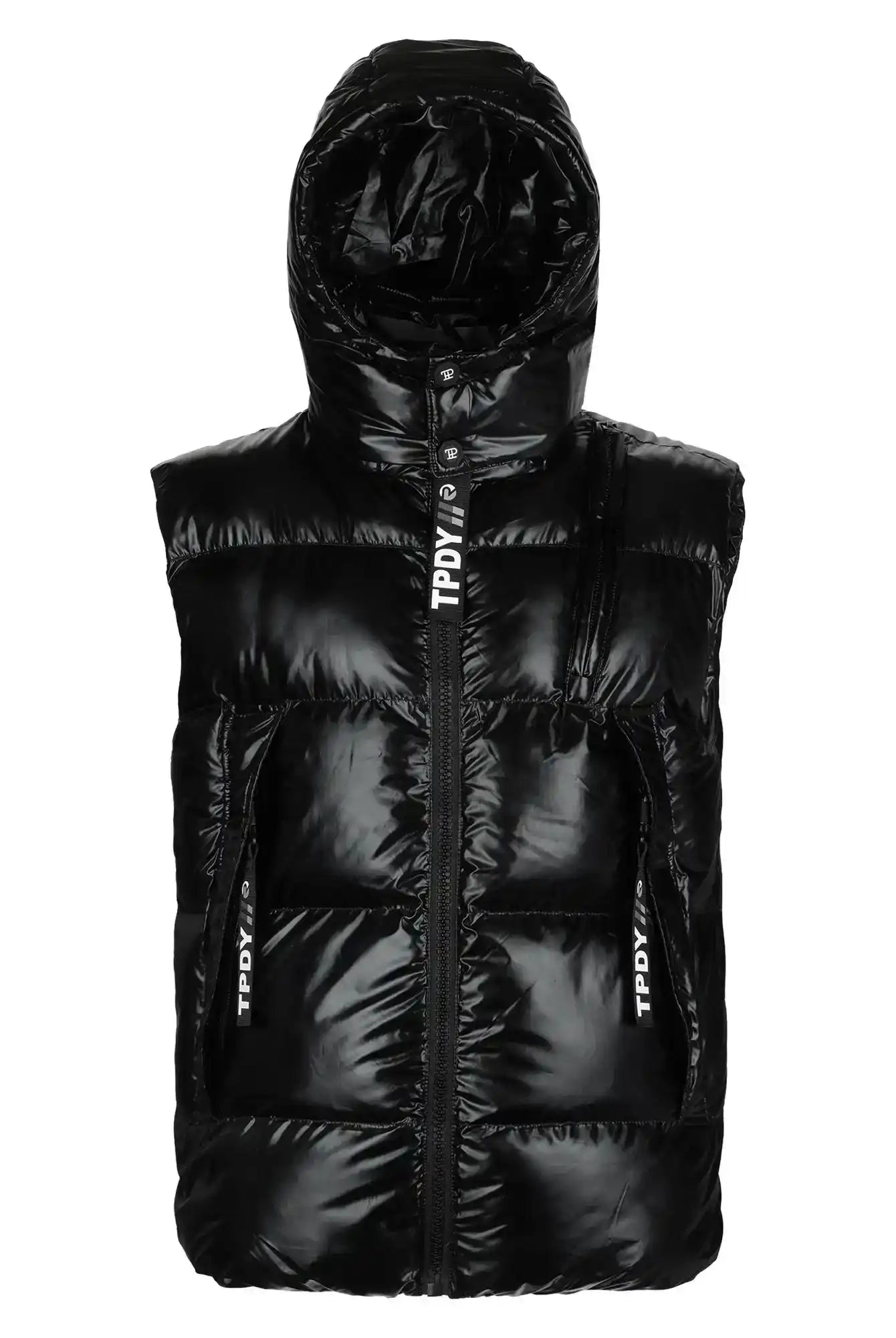

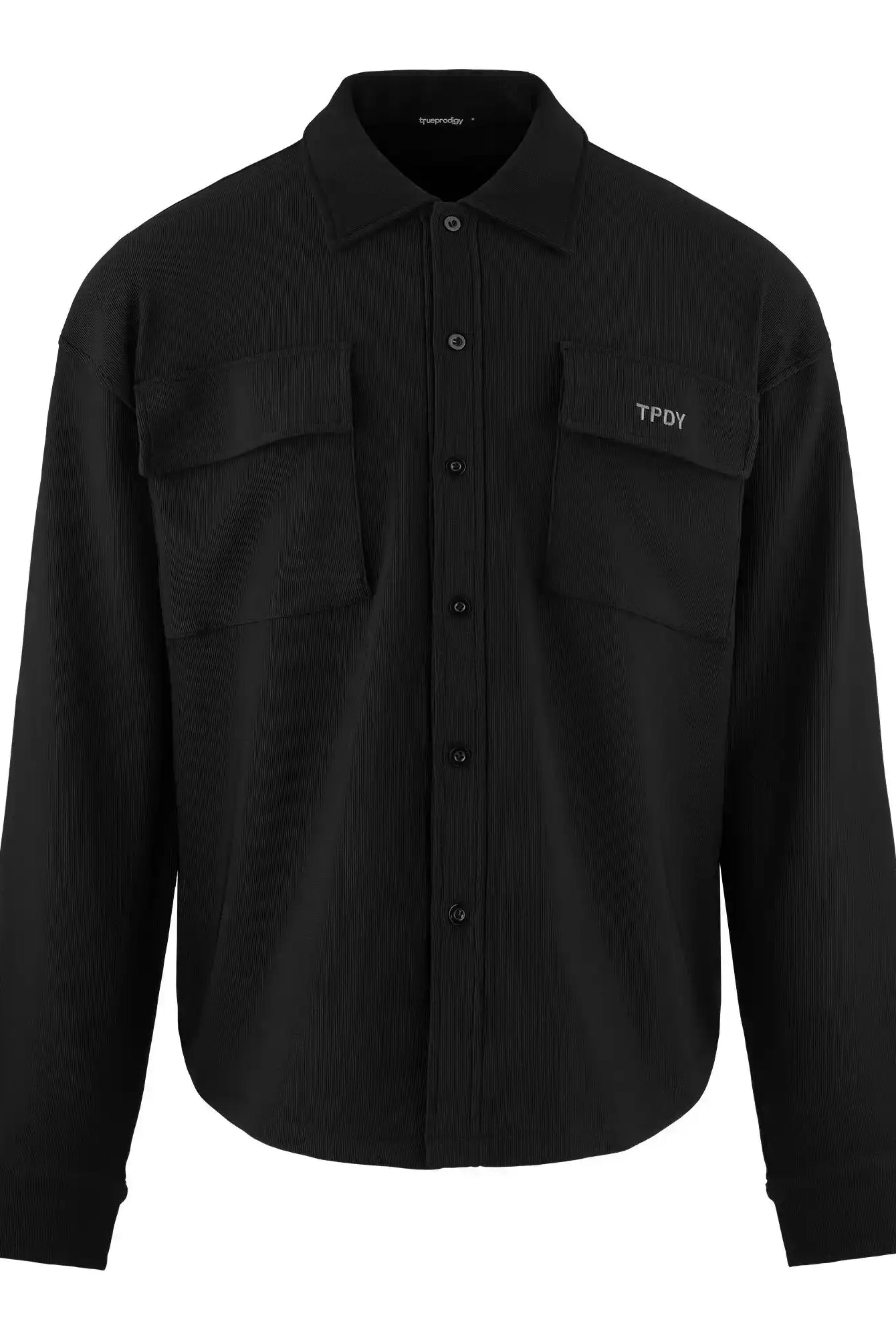
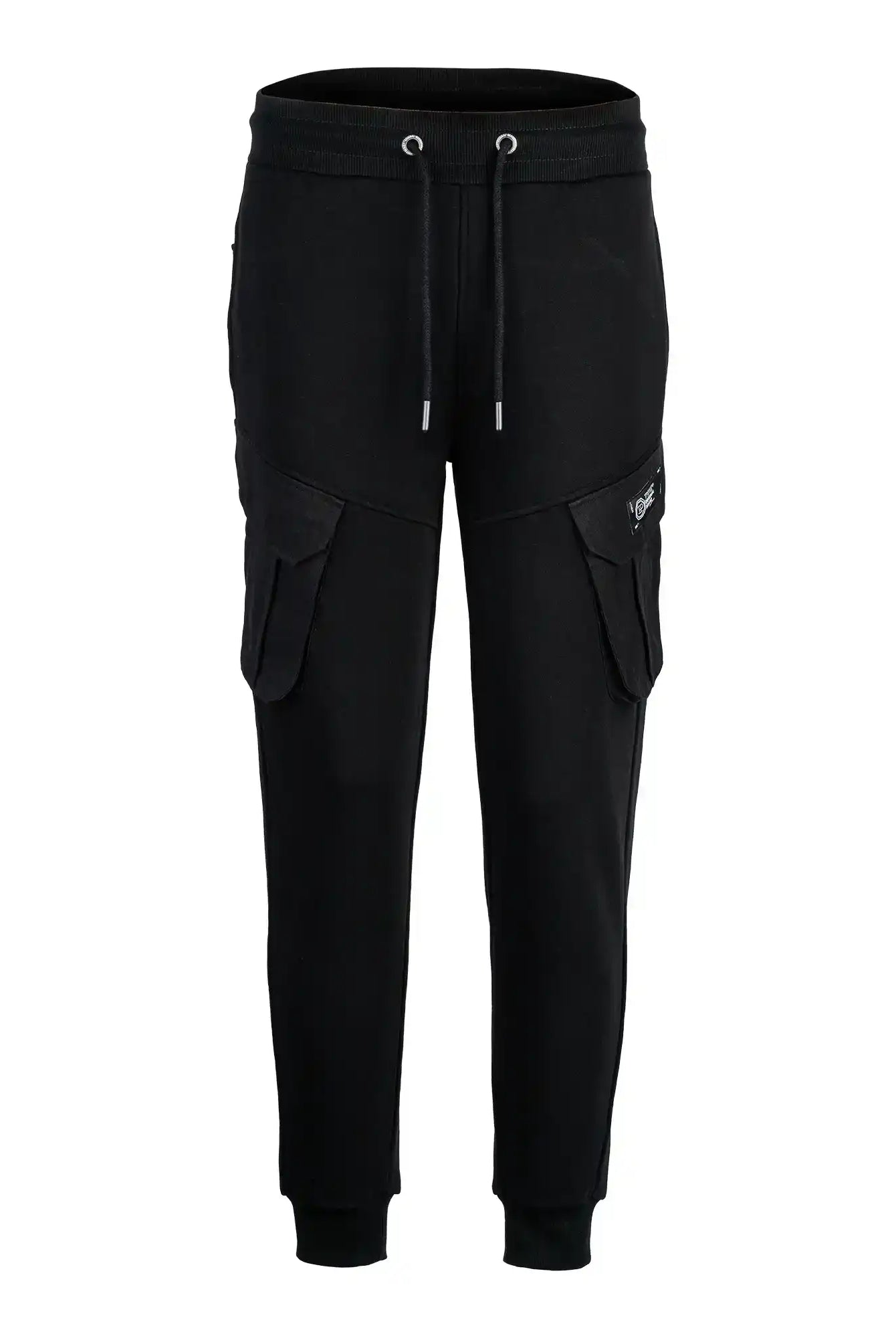
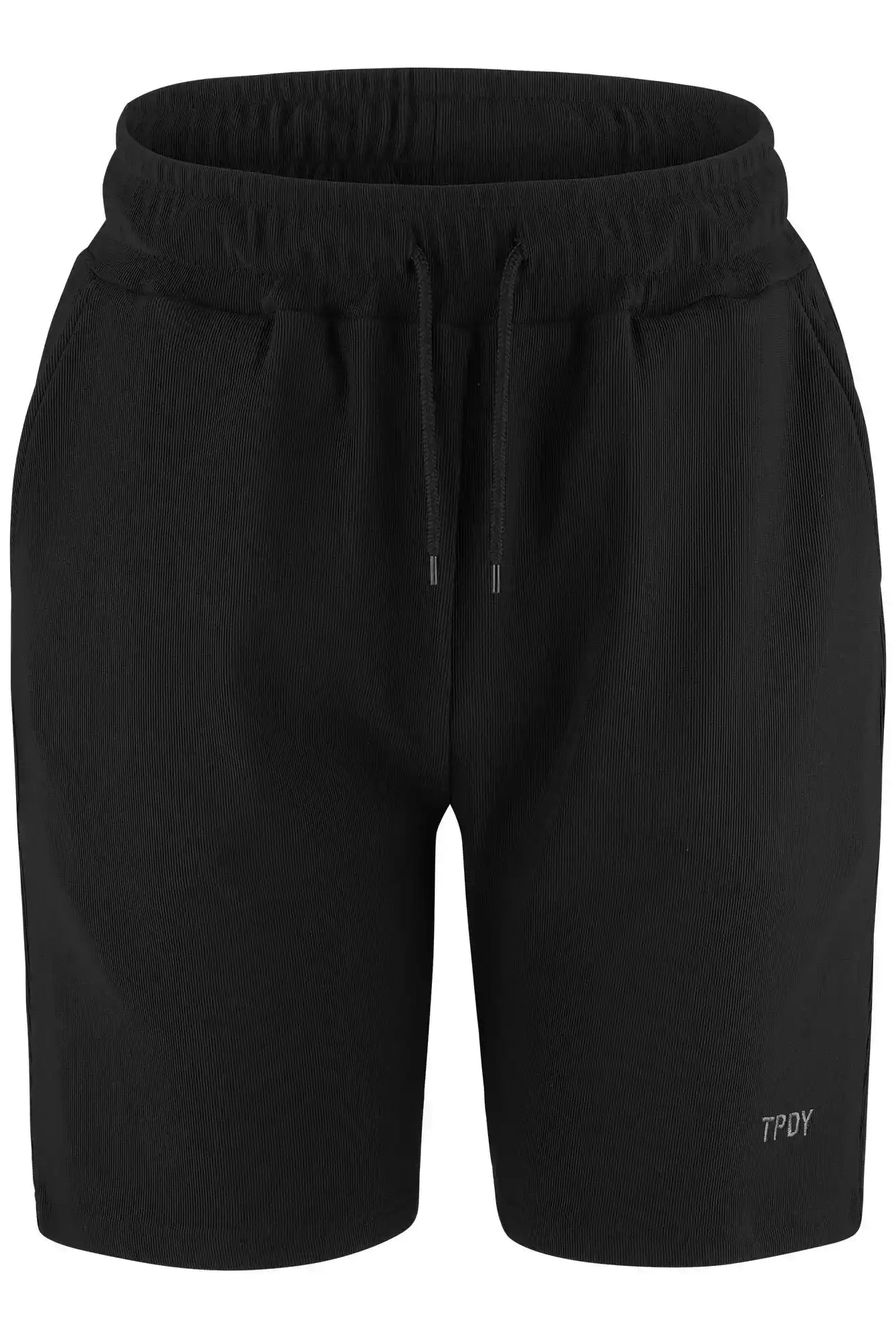

Which jacket for which temperature? This is a question men and women ask themselves every morning – especially in autumn and winter 2026, when temperatures fluctuate. Whether it's 15 degrees and sunshine or minus 5 degrees with icy wind: finding the right jacket for every temperature isn't that complicated if you know the basic rules. In this guide, we'll show you step by step which jacket is the best choice for 5 degrees, 10 degrees, or 15 degrees – with concrete outfit ideas for men and women that not only keep you warm but also look stylish.
Why a temperature guide for jackets makes sense
Everyone knows the dilemma: in the morning, the weather app shows 8 degrees, by midday it's 14 degrees, and in the evening the temperature drops back to 5 degrees. If you wear the wrong jacket, you'll either freeze or sweat. A systematic overview helps you make the right decision in the morning – without standing in front of your wardrobe forever.
According to GQ Germany, the layering principle is the key to flexible dressing in winter. Instead of a single thick jacket for all temperatures, you rely on different types of jackets that you combine depending on the weather. This saves space in your wardrobe and ensures that you have the right model ready for any situation.
At trueprodigy, we offer exactly this variety: from leather jackets for mild autumn days, to hoodies as layering pieces, to winter jackets with hand-filled padding for really cold days. With the right items in your wardrobe, you're prepared for any temperature.
Above 15 degrees: Light jackets for mild days
At temperatures above 15 degrees, you don't need a heavy winter jacket – a light outer layer is completely sufficient. Here, it's more about style than thermal insulation.
Leather jacket: The all-rounder for 15-20 degrees
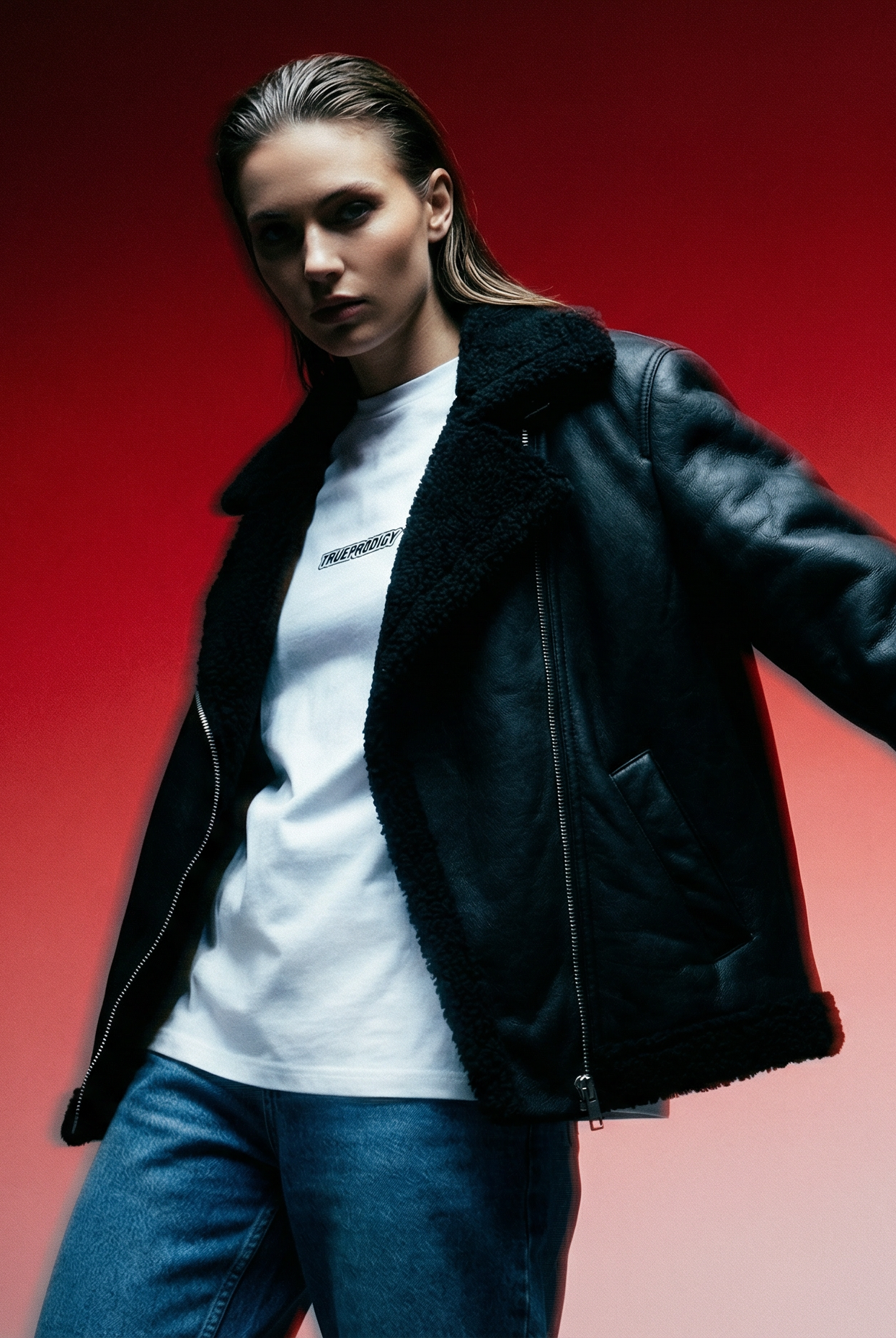
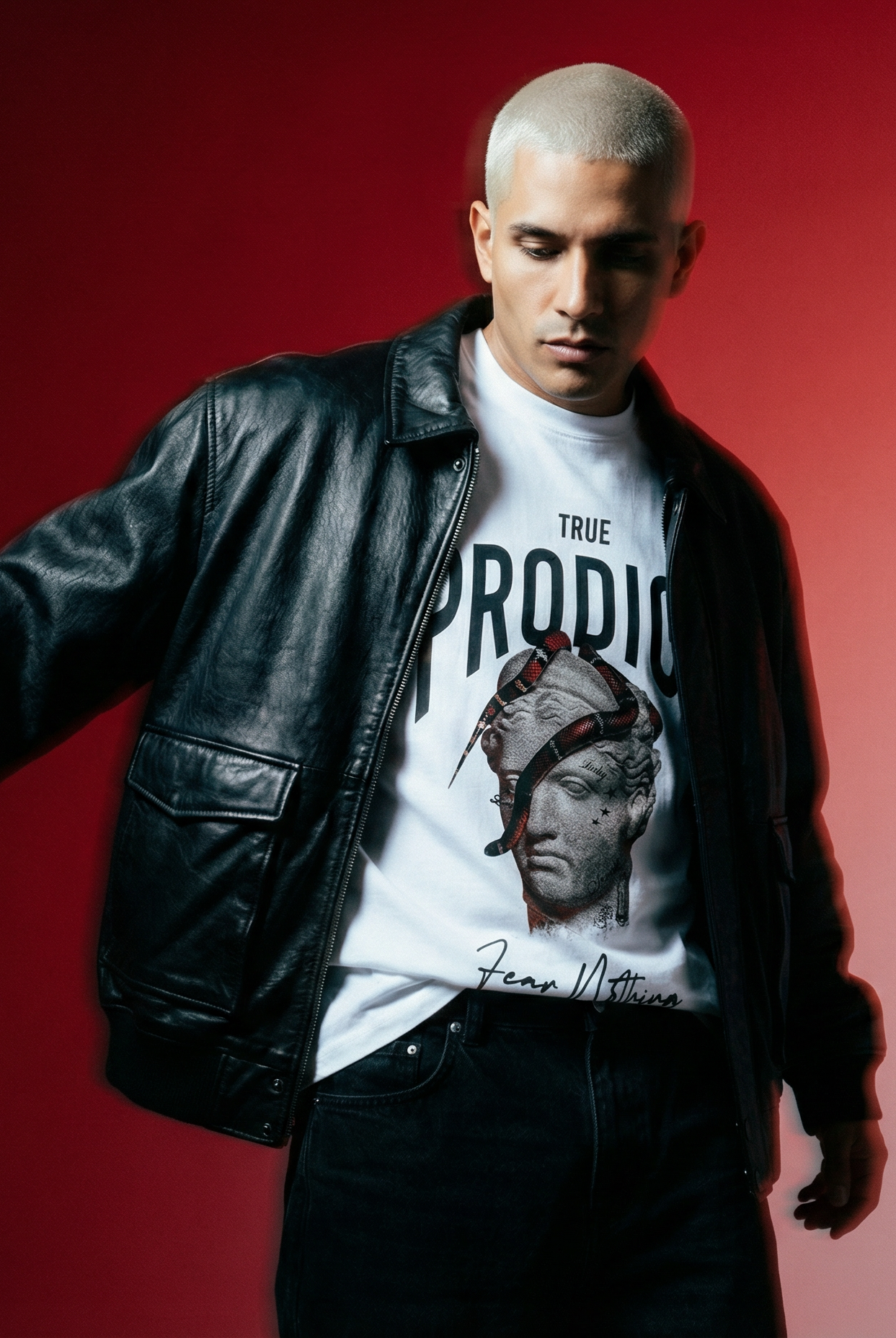
The leather jacket is the most stylish choice for men and women in mild temperatures. It protects against light wind, always looks good, and can be worn with a T-shirt or thin sweater underneath. Whether it's a biker jacket, blouson, or bomber cut – for 15 to 20 degrees, real leather is your best companion.
Denim jacket and overshirt
For relaxed days in spring or late summer, denim jackets and overshirts are a casual option. They offer minimal protection against the cold, but are primarily a fashion statement. Combine them with a hoodie underneath if it gets cooler in the evening.
Blazers and light coats
For women, light trench coats or blazers offer an elegant alternative at 15-20 degrees. For men, an unstructured blazer over a T-shirt works – smart-casual and temperature-appropriate.
10-15 degrees: The transitional jacket comes into play
The temperature range between 10 and 15 degrees is the classic transitional period – too warm for a winter jacket, too cold for just a shirt. Here you need models that provide light insulation without overheating.
Light quilted jacket
A thin quilted jacket with light padding is ideal for 10-15 degrees. It warms just enough, can be folded up if necessary, and goes with almost any outfit. A classic everyday item for both men and women.
Leather jacket with layering
Your leather jacket also works at 10 degrees – if you wear a warm sweater or hoodie underneath. The leather blocks the wind, and the hoodie provides the warmth. This combination not only looks good but is also extremely flexible: if it gets warmer, you simply take off the jacket.
Wool coat (light)
For more elegant occasions, a light wool coat is an excellent choice at 10-15 degrees. It keeps you warm enough for the commute to the office or a dinner, without being too bulky. For women, in a midi length; for men, as a classic short coat.
5-10 degrees: Now it's serious – winter jacket or thick transitional jacket
Below 10 degrees, a light jacket is no longer sufficient. Now you need real insulation – either from a thicker transitional jacket or already a lighter winter jacket.
Medium quilted jacket with padding
A quilted jacket with medium-thick padding is the most versatile choice for 5-10 degrees. It reliably warms, but is not as voluminous as a thick puffer jacket. Ideal for the daily commute, shopping, or walks. At trueprodigy, we use hand-filled padding that insulates excellently even with medium thickness.
Parka (medium-weight)
A parka with medium filling and a detachable hood is a reliable companion at 5-10 degrees. The longer silhouette also protects the thighs from the cold – especially pleasant in windy conditions. For men in classic black or olive, for women also in muted colors like navy or taupe.
Winter coat
For those who prefer a more elegant look, a winter coat is an excellent choice at 5-10 degrees. A well-fitting coat made of heavy fabric keeps you warm and looks significantly more formal than a quilted jacket. Combine it with a scarf for extra warmth around the neck.
0-5 degrees: The winter jacket is a must
At temperatures between 0 and 5 degrees, there's no getting around a proper winter jacket. Here, real insulation counts – and the right layering underneath.
Puffer jacket with thick padding
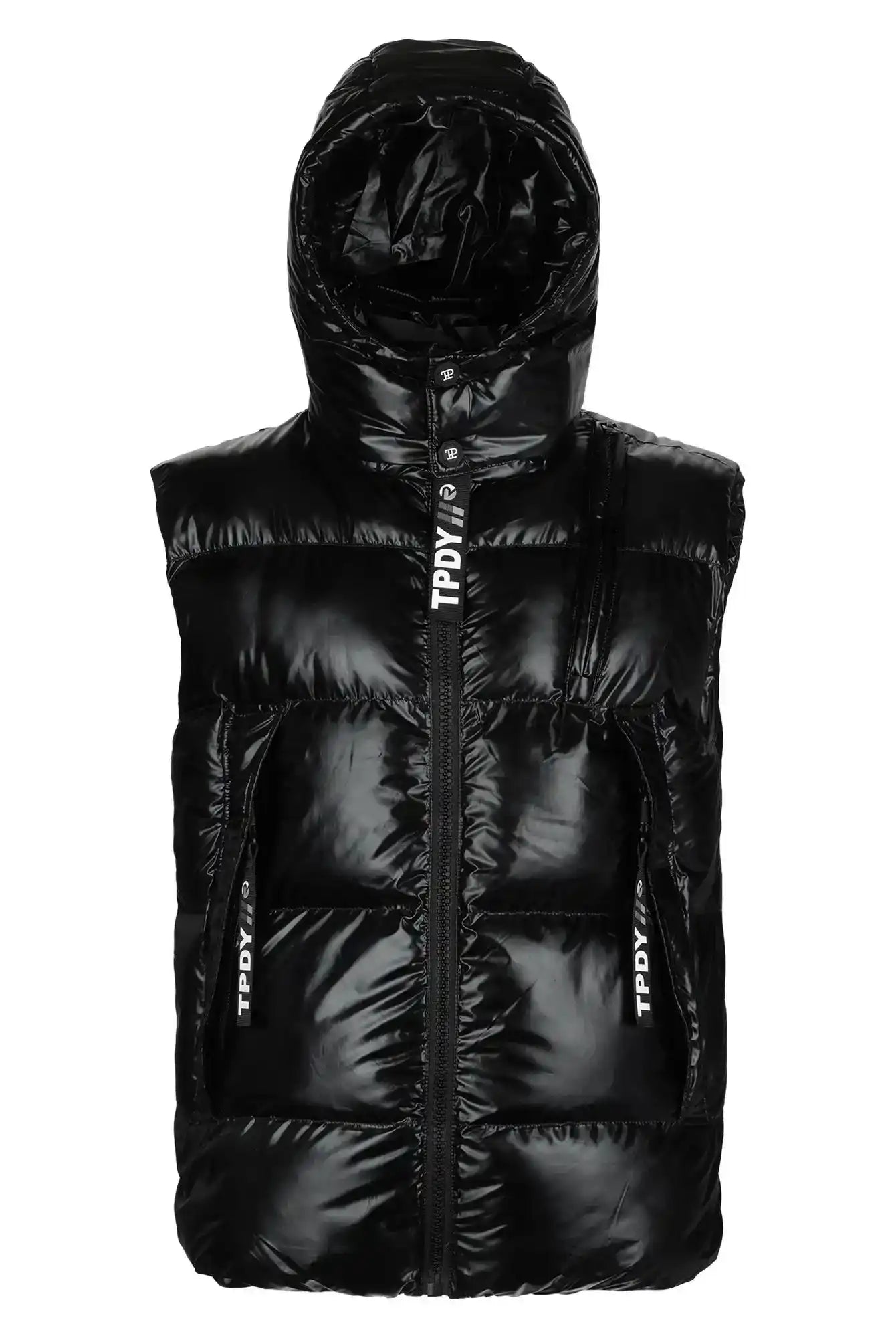
The puffer jacket is the classic for cold winter days. With thick, hand-filled padding, it reliably keeps you warm even at 0 degrees. Wear a hoodie or thick sweater underneath for maximum insulation. The voluminous silhouette is absolutely on trend in 2026 – for men and women.
Thick parka with faux fur hood
A parka with thick filling and a faux-fur-trimmed hood is the most functional choice for 0-5 degrees. The hood protects against wind and snow, and the length keeps the entire upper body warm. At trueprodigy, we use detachable faux fur hoods – so you can vary the look depending on the occasion.
Layering: Hoodie plus winter jacket
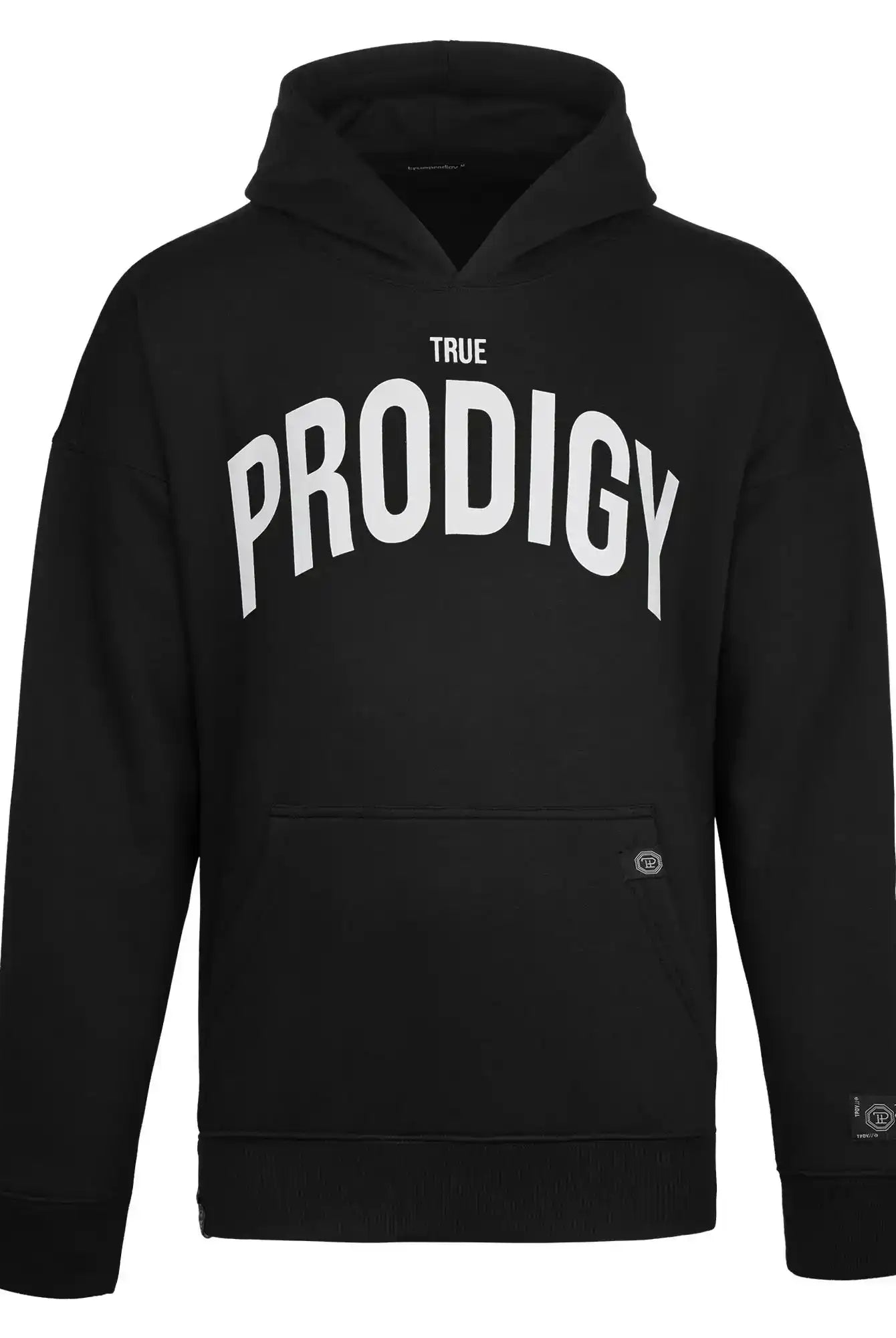
The layering principle shows its full strength at 0-5 degrees. A thick hoodie (ideally 360+ gsm) under the winter jacket creates an additional insulating layer that stores body heat. The hoodie's hood over the jacket collar also sets a casual style accent.
Below 0 degrees: Maximum warmth in sub-zero temperatures
When temperatures drop below zero, only one thing matters: staying warm. Here you need the thickest jacket in your closet – and the right system underneath.
Thick winter jacket with maximum padding
For temperatures below freezing, you need a winter jacket with maximum insulation. Full-strength hand-filled padding, water-repellent outer material, and a high collar that protects the neck. Pay attention to well-sealed zippers (like SBS brand zippers) to prevent cold wind from entering.
The complete layering system
In sub-zero temperatures, a jacket alone is often not enough. The ideal system for extreme cold:
- Base layer: Thermal underwear or close-fitting long-sleeved shirt
- Mid-layer: Thick hoodie or fleece sweater (300-380 gsm)
- Outer layer: Winter jacket with hand-filled padding
- Accessories: Hat, scarf, lined gloves
Don't forget accessories
In sub-zero temperatures, you lose most heat through your head, neck, and hands. A hat, a thick scarf, and lined gloves are not optional but essential below 0 degrees. Lined boots instead of thin sneakers also make a huge difference in freezing temperatures.
Temperature Overview: Your jacket for every degree
To help you make the right decision quickly in the morning, here's a quick summary:
- Above 20 degrees: No jacket needed, at most a light overshirt
- 15-20 degrees: Leather jacket, denim jacket, blazer, or light trench coat
- 10-15 degrees: Light quilted jacket, leather jacket with hoodie, light wool coat
- 5-10 degrees: Medium quilted jacket with padding, parka, winter coat
- 0-5 degrees: Thick puffer jacket, parka with faux fur, layering with hoodie + winter jacket
- Below 0 degrees: Maximum winter jacket + layering system + accessories
Important: These figures are guidelines. Your personal sensitivity to cold, wind, rain, and your activity level also play a role. Those who spend a lot of time outdoors generally need a warmer jacket than someone who just goes from the car to the office.
Avoiding common mistakes in jacket selection
Even when choosing a temperature-appropriate jacket, there are typical mistakes that men and women repeatedly make.
- Reaching for the winter jacket too early: Wearing the thickest puffer jacket at 12 degrees leads to sweating and discomfort. Save your winter jacket for below 10 degrees.
- Only one jacket for everything: Anyone who owns only one winter jacket is either overdressed or freezing. Invest in 2-3 jackets for different temperature ranges.
- Ignoring layering: Instead of one extremely thick jacket, it's often smarter to wear several layers. This allows you to react flexibly to temperature fluctuations.
- Underestimating wind: 10 degrees with wind feels like 5 degrees without. On windy days, pay attention to windproof materials and a high collar.
- Showing too much skin: Cropped jackets at 5 degrees may look fashionable, but they allow the lower back to get cold. In cold weather, always choose models that reach at least to the hips.
Conclusion: The right system for every winter
Which jacket is right for which temperature depends on your personal style and sensitivity to cold – but with this guide, you have a solid orientation. The basic rule is simple: the colder it gets, the more insulation you need. And with the layering principle, you remain flexible enough for any temperature change.
Discover trueprodigy's winter jacket collection now – with hand-filled padding for 0 to minus 15 degrees, premium leather jackets for mild days, and oversized hoodies as perfect layering pieces. For men and women who want to look good in any temperature.
→ Discover Men's Jackets | → Discover Women's Jackets | → Discover Men's Leather Jackets
Read more in the Winter Jacket Guide
You might also be interested in these articles from our winter jacket guide:
- How to combine a winter jacket: Women's & Men's Trends 2026
- How to combine a parka: Outfits for Women & Men 2026
- Wearing a leather jacket in winter: How to style it warm and trendy
- How to combine a winter coat: Women's & Men's Styling 2026
- How to combine a hoodie under a winter jacket: Styling Guide 2026
- Winter jacket without down: Warm, sustainable and stylish
FAQ: Which jacket for which temperature?
From what temperature do I need a winter jacket?
You need a proper winter jacket with thick insulation from about 5 degrees Celsius downwards. At 5-10 degrees, a medium quilted jacket is often sufficient; below 5 degrees, it should be a puffer jacket or a thick parka.
What jacket do you wear at 10 degrees?
At 10 degrees, light quilted jackets, leather jackets with a hoodie underneath, or light wool coats are suitable. A thick winter jacket would be too warm here, a denim jacket alone too cold.
What do you wear at 5 degrees?
At 5 degrees, you need a winter jacket with padding or a parka. Wear a sweater or hoodie underneath and pay attention to windproof outer material. A scarf and hat are recommended.
Is a leather jacket warm enough for winter?
A leather jacket alone is not sufficient below 10 degrees. However, with a thick hoodie or fleece underneath, it works up to about 5 degrees. Below that, you need an insulated winter jacket.
Which jacket for rain and cold?
For rain and cold, a winter jacket with water-repellent outer material and synthetic padding is ideal. Synthetic fillings continue to warm even when wet – an advantage over down.
How does the layering principle work?
Layering means wearing several layers of clothing: base layer (thermal underwear), mid-layer (hoodie/fleece), and outer layer (winter jacket). This allows you to add and remove layers depending on the temperature.