



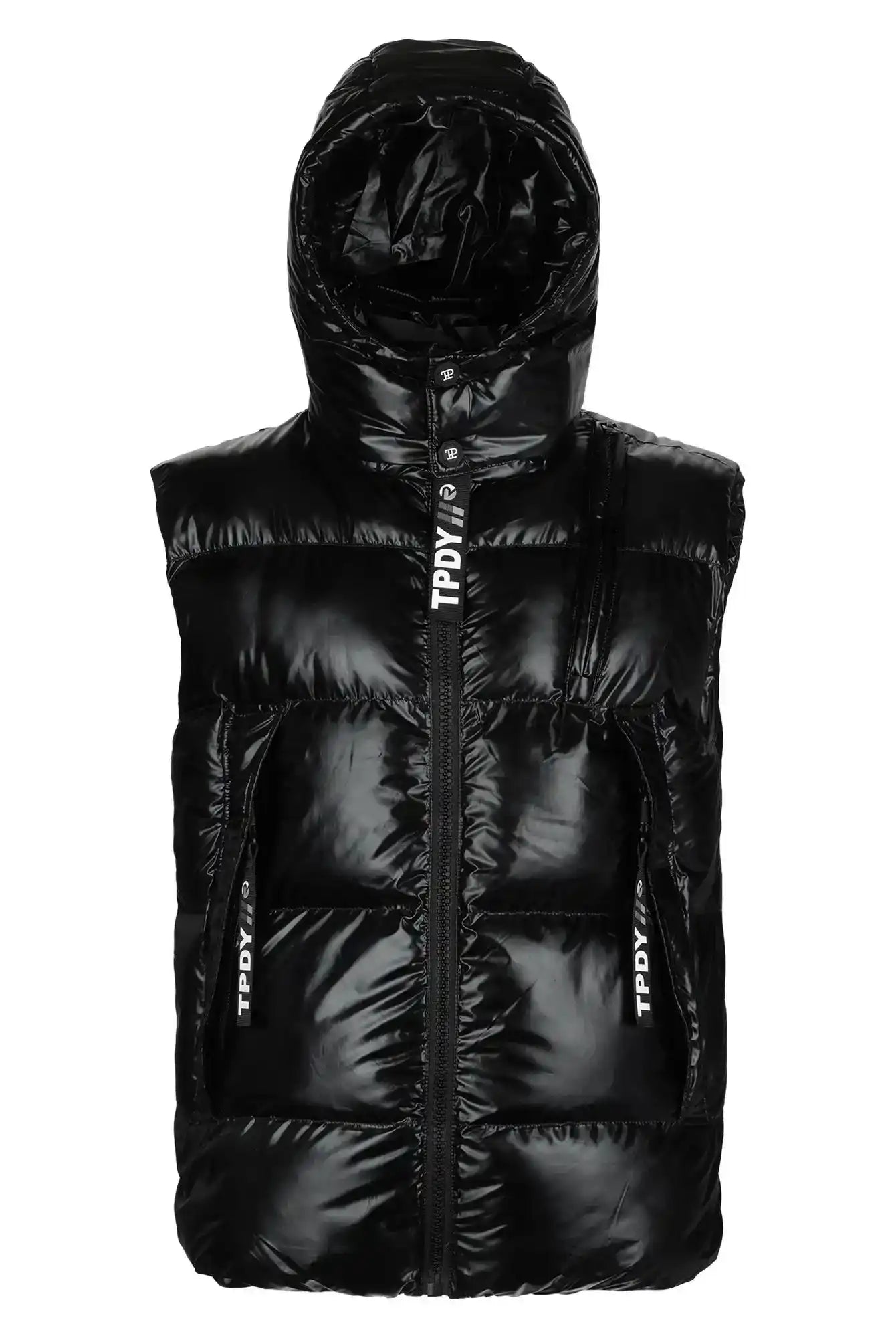




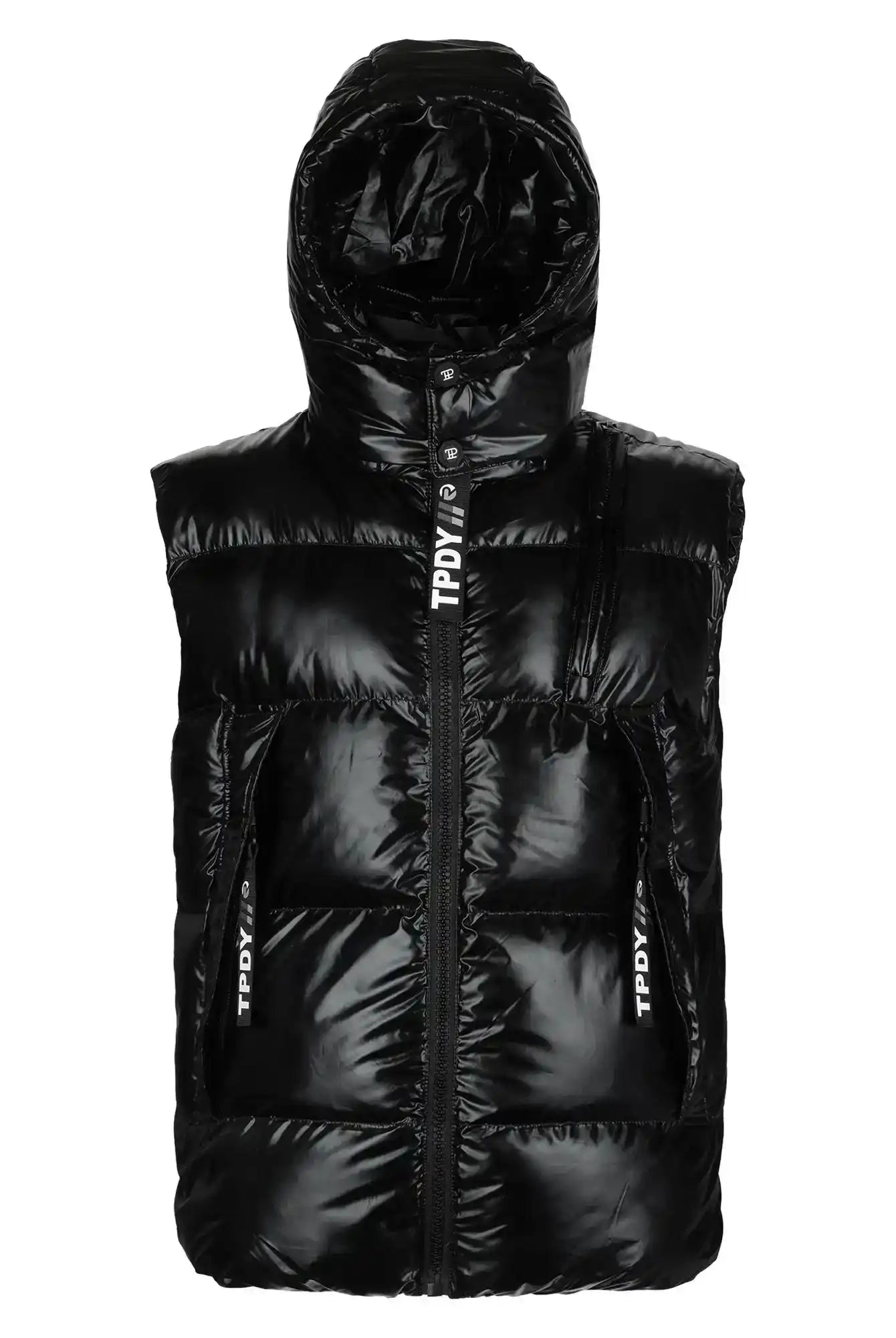


Washing and caring for your winter jacket – a topic that leaves many men and women feeling uncertain. After all, the garment should still be warm, fluffy, and retain its shape after cleaning. Whether it's a quilted jacket, a parka, or a padded model: if you want to wash your polyester jacket, you need the right tips. In this guide, you'll learn step-by-step how to properly prepare your 2026 winter jacket, which wash program is best, and why hand-filled padding offers decisive advantages over down. With the right care, your favorite piece will remain a loyal companion for many seasons – for both men and women.
Trend Winter Jackets 2026: Why proper care is so important now
The current trend winter jackets for 2026 strongly focus on voluminous silhouettes, striking quilting, and high-quality surfaces. Whether a matte finish, slight sheen, or trendy teddy fleece – the materials are diverse and sophisticated. According to VOGUE.de, durable and easy-care materials are increasingly coming into focus in the fashion world. This is where trueprodigy comes in: We deliberately avoid down and instead use hand-filled padding. This not only looks extremely voluminous and stylish, but also makes care much simpler. If you treat your jacket correctly, you will enjoy optimal thermal insulation and a flawless look for longer. Especially with the elaborate surfaces and details of the current collection – from PU elements to logo patches – careful handling pays off.
Preparation: The most important steps before washing
Before your winter jacket sees the inside of the washing machine, thorough preparation is essential. A common mistake is simply throwing the garment into the drum unprepared. With these steps, you'll be on the safe side.
Empty and check pockets
Check all pockets – including hidden inner pockets. A forgotten tissue can ruin the entire wash and leave unsightly lint on the material. Keys or coins can also damage the drum and the fabric.
Close zippers and buttons
Should jackets be closed when washing? Absolutely! Close all zippers, snaps, and Velcro fasteners. At trueprodigy, we use high-quality SBS zippers, often designed as practical 2-way zippers. When these are closed, they won't get caught in the drum, and the material is protected. Open zippers can also scratch the inside of the jacket.
Remove detachable details
Many of our models for men and women feature detachable hoods or faux fur (we consciously do not use real fur). Remove these parts before washing. Faux fur should ideally be washed separately by hand or in a laundry bag to keep it nice and fluffy. Detachable zipper pulls with logos can also be removed before washing to prevent scratches.
Turn inside out
Turn the jacket inside out. This protects the outer surface, especially for variants with PU details, logo patches, or special coatings, from abrasion in the machine. Especially for dark colors like black or navy, turning it inside out helps minimize unsightly fading.
Washing a polyester jacket: The right program and detergent
How do you wash a polyester winter jacket correctly? The good news is that polyester is an extremely easy-care material if you follow a few basic rules. Both women and men benefit from the robustness of this fabric.
Choosing the temperature
Polyester cannot tolerate high heat. Therefore, always choose a delicate cycle or a gentle wash program at a maximum of 30 degrees Celsius. Water that is too hot can damage the synthetic fibers and cause the jacket to lose its shape. The filling also suffers from excessively high temperatures.
The right detergent
Use a liquid delicate detergent. Powder detergent can leave residues in the fibers, especially on dark fabrics. Fabric softener is an absolute no-go. It clogs the fine pores of the material and destroys the thermal insulation properties of the filling. You should also consistently avoid bleach.
Reduce spin speed
How do you wash padded winter jackets when spinning? Choose a low spin speed, ideally between 600 and a maximum of 800 revolutions per minute. Too much spinning compresses the filling extremely and can strain the seams. It is better to gently squeeze out the jacket after washing and let it dry flat.
Washing a quilted jacket: Special features of quilted seams
Quilted jackets are among the most popular winter jacket models for men and women. The characteristic quilted seams hold the filling in individual chambers and prevent the padding from shifting. These seams require special attention during washing.
Make sure not to overload the quilted jacket – it's best to wash it alone or with only a few light garments. This way, the jacket has enough space in the drum, and the quilted seams are not excessively stressed. After washing, you should carefully pull the jacket into shape and gently fluff up the individual chambers so that the filling is evenly distributed again.
Hand-filled padding vs. down: The care advantage
A decisive USP of trueprodigy winter jackets is the hand-filled padding. For reasons of animal welfare and sustainability, we completely forgo down. This not only results in an excellent, voluminous design, but also massive advantages in terms of care.
While down jackets often clump significantly when washed and absolutely require tumble drying with tennis balls to become fluffy again, synthetic padding is much simpler. It absorbs less moisture, dries faster, and retains its structure significantly better. You don't need special down detergent and don't have to worry about the jacket looking flat and shapeless after washing. The hand-filled padding ensures that the garment retains its excellent thermal insulation even after several washes. For men and women who value uncomplicated care, this is a real argument.
Drying: How do I get my winter jacket fluffy again?
After washing, proper drying is crucial for the jacket to regain its full volume.
Air drying flat
The gentlest way to dry a polyester quilted jacket is to lay it flat on a drying rack. Do not hang it wet on a hanger, as the weight of the water can pull the filling down and distort the shape. Spread the jacket flat and place a towel underneath to absorb excess moisture.
Regular fluffing
While the jacket dries, you should regularly (about every few hours) shake it vigorously. This loosens up the padding and ensures that the filling is evenly distributed again. This way, the jacket becomes fluffy and voluminous again – almost like new.
Tumble dryer only with caution
If the care label allows, you can put the jacket in the dryer on a very low temperature (gentle cycle). With our hand-filled padding, tennis balls are not strictly necessary but can help speed up the drying process and maximize volume. In any case, avoid high temperatures in the dryer.
Avoiding common mistakes in jacket care
To keep your winter jacket looking new for a long time, you should avoid these typical mistakes:
- Washing too often: How often should you wash a winter jacket? Less is more. Often, it's enough to remove small stains locally with a damp cloth or air out the jacket outdoors. One to two washes per season are usually completely sufficient.
- Using fabric softener: As already mentioned, fabric softener destroys the structure of the synthetic filling and impairs thermal insulation.
- Drying on the heater: Direct heat damages the polyester and can lead to deformation. Sunlight can also cause fading in colored models.
- Ignoring the care label: The label in the jacket is the most important rulebook. Always follow the recommendations given there – they are specifically tailored to the material.
- Folding wet: Never fold the jacket wet and put it in the closet. Moisture can lead to mold and unpleasant odors.
Properly storing your winter jacket: Tips for the summer break
When the cold season is over, your winter jacket deserves proper storage. Wash the jacket before storing it and make sure it is completely dry. It is best to store it on a wide hanger so that the shoulders retain their shape. Alternatively, you can loosely fold it and store it in a breathable fabric cover – plastic bags are taboo as they trap moisture. A cool, dry place without direct sunlight is ideal. This way, you will start the next winter season with a jacket that looks and feels like new.
Conclusion: Longevity through proper care
A high-quality winter jacket is a statement piece that reliably accompanies you through the cold season. With the right care – gentle washing at 30 degrees, no fabric softener, and flat drying – your model will stay in top shape for a long time. Thanks to the hand-filled padding and premium fabrics selected in Germany, trueprodigy jackets are particularly easy to care for and robust. Discover the current men's jackets and women's jackets now and find your companion for the winter.
Read more in the Winter Jacket Guide
These articles from our winter jacket guide might also be of interest to you:
- Combining a winter jacket: Women's & Men's Trends 2026
- Down-free winter jacket: Warm, sustainable and stylish
- Combining a hoodie under a winter jacket: Styling Guide 2026
- Functional jacket vs. Fashion jacket: Which is better in winter?
FAQ: Washing and caring for your winter jacket
How do you wash a polyester winter jacket?
Wash the jacket at a maximum of 30 degrees on a gentle cycle with a liquid delicate detergent. Do not use fabric softener and reduce the spin speed to 600 to 800 revolutions to protect the material.
How do I properly care for polyester?
Polyester is easy to care for. Wash it at low temperatures, avoid direct heat when drying, and do not use fabric softener. Small stains can often simply be wiped off with a damp cloth.
How do I get my winter jacket fluffy again?
Dry the jacket flat and shake it vigorously regularly during drying. This will redistribute the padding evenly. If suitable for the dryer, a gentle cycle at low temperature helps.
Should jackets be closed when washing?
Yes, close all zippers, snaps, and Velcro fasteners before washing. This prevents the fasteners from getting caught in the drum and damaging the fabric or other garments.
How do you wash padded winter jackets?
Padded jackets with synthetic filling are best washed on a delicate cycle at 30 degrees. A low spin speed is important. The hand-filled padding from trueprodigy is significantly less complicated than down.
How often should you wash a winter jacket?
Wash your winter jacket only when absolutely necessary – usually one to two washes per season are sufficient. Light odors often disappear by airing it out, and small stains can be treated locally.